20 Common Things That Are 57 Inches Long (Everyday Examples)
57 inches is exactly 4 feet 9 inches, or 144.78 centimeters. To picture this length, imagine a compact loveseat, a small writing desk, a four-foot ruler with nine additional inches, or a narrow dining table. These familiar objects and comparisons make it easier to visualize 57 inches without immediately reaching for a measuring tape.
Although 57 inches is not a universal standard size for most household products, many furniture pieces, construction materials, and everyday objects can measure close to it. Below are 20 practical examples, accurate conversions, and simple methods for estimating this distance. For more helpful measurement guides, visit Snap Planets.
Key Takeaways
- 57 inches equals exactly 4 feet 9 inches, 144.78 centimeters, or 1.4478 meters.
- A 57-inch length is 3 inches shorter than 5 feet and 9 inches longer than 4 feet.
- Compact loveseats, small desks, narrow tables, and selected storage furniture can measure approximately 57 inches across.
- Three 18-inch rulers plus 3 inches provide a convenient way to visualize the measurement.
- Furniture dimensions, TV screen measurements, and clothing lengths describe different directions, so always check which dimension is being measured.
How Long Is 57 Inches? Exact Measurements and Easy Comparisons
A length of 57 inches is equivalent to 4.75 feet. That means it is nearly five feet long, falling just three inches short of the 60-inch mark.
For a straightforward comparison, picture a standard 48-inch yardstick-length extension made from a 36-inch yardstick and an additional 12-inch ruler. Add another 9 inches, and the total becomes 57 inches. Alternatively, place four standard 12-inch rulers end to end and add nine more inches.
Because an inch is defined as exactly 2.54 centimeters, the metric conversions below are exact unless rounded.
| Measurement Unit | 57 Inches Equals |
|---|---|
| Feet and inches | 4 feet 9 inches |
| Decimal feet | 4.75 feet |
| Centimeters | 144.78 cm |
| Meters | 1.4478 m |
| Millimeters | 1,447.8 mm |
| Yards | 1.5833 yards (approximately) |
How Does 57 Inches Compare With Other Common Lengths?
Comparing a measurement with nearby round numbers often makes it easier to estimate visually.
- Compared with 4 feet: 57 inches is 9 inches longer.
- Compared with 5 feet: 57 inches is 3 inches shorter.
- Compared with 1.5 meters: 57 inches is 5.22 centimeters shorter.
- Compared with a yardstick: 57 inches is 21 inches longer than a standard 36-inch yardstick.
- Compared with 60 inches: 57 inches represents 95% of that five-foot distance.
One helpful mental shortcut is to imagine five feet and subtract the width of a three-inch strip. This produces a close visual estimate of 57 inches.
20 Real-Life Examples of Things That Are About 57 Inches Long
The following examples cover furniture, household fixtures, clothing materials, outdoor items, and equipment. Some can be manufactured or cut to exactly 57 inches, while others are approximate references because their dimensions vary by model, manufacturer, or installation.
| Everyday Object | 57-Inch Dimension | Measurement Type |
|---|---|---|
| Compact loveseat | Overall width | Approximate |
| Small dining table | Tabletop length | Approximate |
| Writing desk | Desktop width | Approximate |
| Bathroom vanity | Cabinet width | Model-dependent |
| TV console | Overall width | Approximate |
| Storage bench | Seat or frame length | Approximate |
| Floating shelf | End-to-end length | Can be exact |
| Countertop section | Cut length | Can be exact |
| Kitchen cabinet arrangement | Combined width | Can be exact |
| Bookcase | Overall height | Approximate |
| Short room divider | Panel height | Model-dependent |
| Window curtain panel | Finished width or length | Can be exact |
| Fabric piece | Cut length | Can be exact |
| Wooden board | Cut length | Can be exact |
| Garden stake | Overall length | Can be exact |
| Garden hose segment | Uncoiled length | Can be exact |
| Outdoor bench | Seat length | Approximate |
| Compact folding table | Tabletop length | Approximate |
| Adjustable clothes rack | Frame height or width | Model-dependent |
| 57-inch TV screen | Screen diagonal | Exact nominal size |
These examples are visual references, not claims that every item in the category has the same dimensions. Always verify actual product measurements before making a purchase or cutting materials.
Furniture and Home Items Close to 57 Inches
Furniture offers some of the most useful references for this measurement because many compact household pieces are approximately four to five feet across.
1. Compact Two-Seat Loveseat
A compact loveseat is one of the easiest objects to picture when estimating 57 inches. Smaller two-person sofas may have an overall width close to 57 inches, measured from the outside edge of one armrest to the other.
Unlike a full-size couch, a loveseat of this width can fit into a bedroom, studio apartment, or small seating area. However, loveseat dimensions differ significantly, so a 57-inch width should be treated as a possible compact size rather than a furniture-industry standard.
2. Small Rectangular Dining Table
A small dining table may have a tabletop approximately 57 inches long. This provides a useful reference for imagining the horizontal distance between two ends of a furniture piece.
For comparison, a 57-inch tabletop is 9 inches longer than a 48-inch table and 3 inches shorter than a 60-inch table. Seating capacity depends on the table’s width, leg arrangement, and chair dimensions, not simply its length.
3. Home Office Writing Desk
Some medium-sized home office desks measure around 57 inches wide. This dimension gives enough horizontal space for a typical computer workstation, although the available surface area also depends on desktop depth.
If you are estimating whether a desk will fit along a wall, remember that the desk’s stated width may not include clearance needed for cables, drawers, or nearby doors.
4. Bathroom Vanity Cabinet
A bathroom vanity can be approximately 57 inches wide, particularly if it is custom-built or part of a specific furniture collection.
More familiar nominal vanity widths include 48 and 60 inches, so a 57-inch unit should not be assumed to be a standard stock size. The measurement is still useful when evaluating a bathroom space that is slightly narrower than five feet.
Also check the countertop width, which may differ from the width of the cabinet underneath.
5. Living Room TV Console
Television stands and entertainment cabinets come in many widths, including sizes near 57 inches. A console this wide is approximately 4 feet 9 inches from side to side.
When selecting a console, compare its usable surface and stability requirements with your television’s actual stand footprint. A TV’s advertised screen size does not directly tell you the overall width of the television or the spacing between its feet.
6. Upholstered Storage Bench
A long storage bench placed at the foot of a bed or against a hallway wall can measure around 57 inches across. Benches are particularly useful visual references because their primary dimension is easy to identify.
For entryway planning, remember to measure the total frame width rather than only the upholstered seating cushion. Decorative legs and side panels can extend beyond the seat itself.
Kitchen, Storage, and Household Examples
For household projects, 57 inches is especially useful as a possible cut length, cabinet arrangement width, or vertical storage dimension.
7. Custom Floating Shelf
A floating shelf cut to 57 inches provides an exact example of this measurement. The shelf extends 4 feet 9 inches between its ends and can be used for books, decorations, or lightweight storage when properly supported.
If you are ordering a shelf, confirm whether the manufacturer measures the shelf board itself or the total installed system, including end brackets.
8. Kitchen Countertop Section
A countertop installed between two walls or cabinets can be cut to a finished length of exactly 57 inches. This is a practical example of how the measurement may appear in a real kitchen project.
Countertop sections are not universally sold in 57-inch lengths. The correct finished dimension depends on the kitchen layout, backsplash details, wall conditions, and installation clearances.
9. Three Kitchen Cabinets With a Combined Width of 57 Inches
Three base cabinets measuring 24, 18, and 15 inches wide create a combined nominal width of exactly 57 inches.
This is a more dependable measuring example than assuming that a particular appliance-and-cabinet combination has that total width. Cabinets are available in multiple nominal dimensions, making combinations like this useful when planning storage.
Actual installed space requirements may differ because of fillers, end panels, and necessary clearances.
10. Medium-Height Bookcase
A bookcase approximately 57 inches tall reaches just under five feet from the floor. This gives a convenient vertical reference for a moderately tall storage unit.
Bookcases come in many heights, so the 57-inch dimension is not standard. If you are considering one for a room, measure from the floor to the highest part of the frame and allow space for installation and safe anchoring when required.
11. Short Decorative Room Divider
Some low room dividers and freestanding decorative partitions can have panel heights around 57 inches.
A divider this tall can partially separate an area without creating a full-height wall. Keep in mind that a folding divider’s total extended width depends on the number of panels and their angles, while its height remains a separate measurement.
12. Custom Window Curtain Panel
A curtain panel can be sewn or altered to a finished length or width of 57 inches. This makes fabric furnishings a useful way to visualize the distance in a home.
For example, if a window treatment requires a 57-inch finished drop from the rod position to the desired hem, the fabric must be measured accordingly.
Remember that the amount of fabric needed for cutting is usually greater than the finished dimension because hems and construction details use additional material.
Fabric, Wood, and DIY Materials Measuring 57 Inches
Materials sold by length are particularly helpful because they can be measured precisely rather than relying on variable manufactured product dimensions.
13. A 57-Inch Piece of Fabric
A fabric piece cut to 57 inches measures exactly 1 yard and 21 inches along its length. In decimal yards, that is approximately 1.583 yards.
Fabric is usually sold by the linear yard, with the fabric’s width specified separately. Therefore, 57 inches of length is not the same as 57 inches of fabric width.
If you need this length for sewing, consider extra fabric for seam allowances, hems, pattern matching, or shrinkage according to the material’s care instructions.
14. A Wooden Board Cut to Length
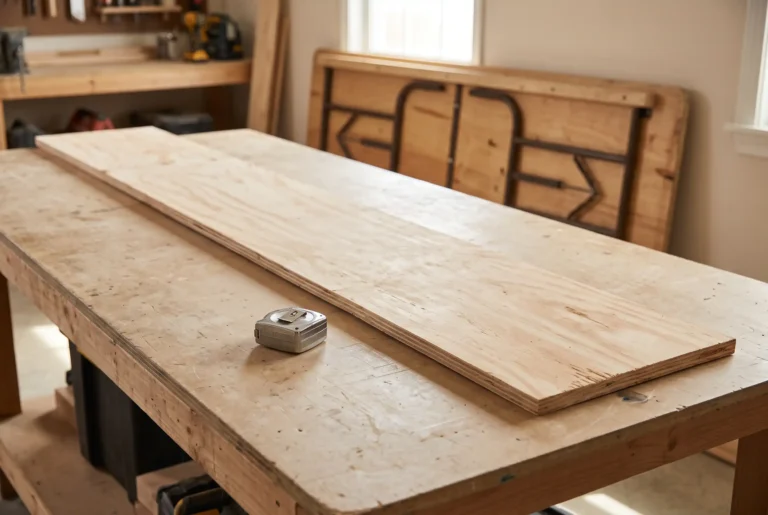
A wood board measuring exactly 57 inches long is a direct and practical reference. A carpenter can cut a longer piece of lumber to this dimension for shelving, furniture repair, or a woodworking project.
Measure along the longest intended axis of the board, from one finished end to the other. Width and thickness should be recorded separately.
This distinction matters because lumber dimensions often use nominal measurements that do not match the material’s actual finished cross-sectional size.
15. Wooden Garden Plant Stake
A garden stake may be cut to 57 inches to support taller plants or mark a landscaping area. The full stake length is 4 feet 9 inches before part of it is inserted into the soil.
If 12 inches of a 57-inch stake are placed underground, approximately 45 inches remain above the surface.
This example shows why the total length of an object may differ from its visible height after installation. The appropriate stake length and burial depth depend on the plant, soil, and support requirements.
16. Straightened Garden Hose Section
A 57-inch section of garden hose is equal to 4 feet 9 inches when measured along its length. You can measure and mark this distance on an existing hose for a small garden or watering project.
Unlike a typical 25-foot or 50-foot retail hose, a 57-inch piece would usually be a custom segment rather than a standard full-length product.
Measure the hose straight rather than estimating from the size of a coil. A hose’s coiled diameter does not reliably indicate the length of tubing inside it.
Outdoor Furniture, Equipment, and Technology Examples
Outdoor furniture and adjustable equipment provide additional visual comparisons, while screen measurements illustrate an important difference between length and diagonal size.
17. Compact Outdoor Garden Bench
An outdoor bench can have a seat or overall frame measuring around 57 inches wide. This is close to five feet and gives a practical reference for imagining the length of a small garden seating area.
Bench widths vary considerably, and armrests can reduce the usable sitting space. If you are checking whether a bench will fit on a porch, measure the overall frame rather than only the seat cushion or seating surface.
18. Compact Folding Utility Table
A folding table with a top close to 57 inches long is another useful comparison. The overall dimension is similar to a small dining table but often serves a different purpose, such as crafting, temporary work, or household storage.
Many folding tables are sold in familiar nominal lengths such as 4 feet and 5 feet. A 57-inch example lies between those common sizes.
For storage, check the folded dimensions separately because the packed length can differ from the tabletop length.
19. Adjustable Clothes Rack
An adjustable garment rack may reach a height or width of approximately 57 inches, depending on its design and extension settings.
Such racks can help visualize the measurement vertically or horizontally. However, 57 inches should not be treated as a universal setting because some garment racks extend only in height, some only in width, and others in both directions.
If using a rack to estimate hanging space, also account for garment length and clearance beneath the clothing.
20. A Television With a 57-Inch Screen Diagonal
A television advertised as having a 57-inch screen would have a nominal diagonal screen measurement of 57 inches. This measurement runs from one corner of the visible screen to the opposite corner, not horizontally across its width.
For a 16:9 screen with an exact 57-inch diagonal, the approximate display dimensions would be:
- Screen width: 49.7 inches.
- Screen height: 27.9 inches.
- Screen diagonal: 57 inches.
These figures describe the rectangular display area and exclude the television’s bezel, frame, and stand.
This is an important example because a 57-inch television is not 57 inches wide. Screen size and total product dimensions must be evaluated separately.
How to Estimate 57 Inches Without a Measuring Tape
You can estimate 57 inches using familiar measurements, although a calibrated ruler or tape measure is still preferable when precision matters.
Method 1: Combine a Yardstick and Two Ruler Measurements
- Start with a standard 36-inch yardstick.
- Add the length of a 12-inch ruler to reach 48 inches.
- Measure another 9 inches using the ruler.
- The combined distance is exactly 57 inches.
This approach works well when measuring a board, tabletop, or floor space. Keep all measurement segments aligned and mark each endpoint carefully to avoid accumulating errors.
Method 2: Use Five Feet and Subtract Three Inches
Five feet is exactly 60 inches. Subtracting 3 inches leaves 57 inches.
If you have a five-foot reference, mark a point three inches inward from one end. The remaining distance represents the target measurement.
This method is particularly easy when comparing shelf lengths, desk widths, or furniture clearance.
Method 3: Use Letter-Size Paper
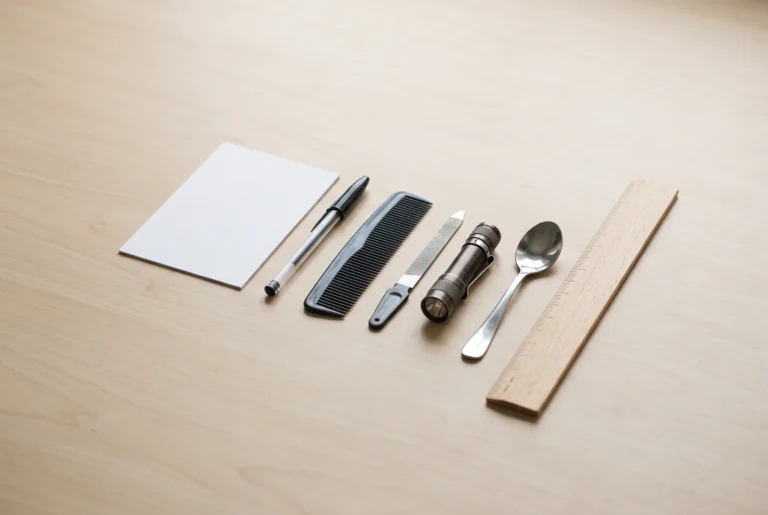
Standard US Letter paper measures 8.5 by 11 inches. Five sheets placed end to end along their 11-inch sides cover 55 inches.
Add another 2 inches and the result is 57 inches.
Paper is useful for a rough visual estimate, but sheets can shift, overlap, or leave gaps. Avoid this technique for accurate cutting or installation measurements.
Method 4: Compare the Length With a Familiar Piece of Furniture
If you already own a desk or bench that you have measured at approximately five feet, imagine removing three inches from its total width.
This comparison is practical when shopping online because it helps you assess a product’s scale before checking the actual available space.
Human body proportions are less dependable for measurement because height, arm span, and shoulder position vary from person to person.
Where Is a 57-Inch Measurement Most Useful?
Knowing how long 57 inches is becomes particularly valuable when an object needs to fit into a defined space.
Furniture Shopping and Room Layouts
If a sofa, desk, or cabinet is listed as 57 inches wide, determine whether the surrounding area offers enough clearance for installation and everyday use.
For example, placing a 57-inch-wide piece of furniture against a 60-inch-wide wall section leaves only three inches of total extra width. If centered, that is approximately 1.5 inches on each side.
This might not provide enough room for baseboards, electrical outlets, protruding hardware, or comfortable movement.
Home Improvement Projects
A 57-inch measurement may appear when cutting shelves, trim, countertops, or wood panels.
For these projects, distinguish between the desired finished length and the dimensions required before cutting. A cut may need to account for blade thickness, uneven walls, joint types, and installation allowances.
Buying Curtains and Fabric
A 57-inch finished curtain length or fabric measurement can be converted into feet or yards before purchasing supplies.
In particular, remember that fabric length and fabric width are different quantities. A piece that is 57 inches wide may still be sold by the yard along its length.
Vehicle and Storage Planning
When transporting an object measuring 57 inches long, check the vehicle’s usable interior dimensions rather than relying solely on the vehicle’s exterior size.
Measure the narrowest relevant opening, available floor or cargo length, and any obstructions. An object may physically fit inside a space but still be impossible to pass through its entrance without rotating or tilting it.
57 Inches Compared With Other Measurements
The following comparison table shows how much shorter or longer nearby lengths are relative to 57 inches.
| Length | Feet and Inches | Difference From 57 Inches |
|---|---|---|
| 36 inches | 3 ft | 21 inches shorter |
| 40 inches | 3 ft 4 in | 17 inches shorter |
| 48 inches | 4 ft | 9 inches shorter |
| 54 inches | 4 ft 6 in | 3 inches shorter |
| 57 inches | 4 ft 9 in | Exact reference |
| 60 inches | 5 ft | 3 inches longer |
| 66 inches | 5 ft 6 in | 9 inches longer |
| 72 inches | 6 ft | 15 inches longer |
A particularly helpful comparison is the difference between 57 and 60 inches. Although the two lengths look similar, those three inches can matter when installing cabinetry or fitting furniture into a tight opening.
Common Mistakes When Measuring 57 Inches
Several measurement errors can lead to ordering the wrong size or cutting materials incorrectly.
- Confusing feet and inches: 57 inches is 4 feet 9 inches, not 5 feet 7 inches. Five feet 7 inches equals 67 inches.
- Assuming approximate examples are exact: A loveseat described as about 57 inches wide may measure several inches more or less.
- Mixing up width, height, and depth: These describe different directions. Confirm which measurement is listed on the product label.
- Comparing a TV diagonal with furniture width: A 57-inch diagonal screen is narrower than 57 inches across for ordinary rectangular screen proportions.
- Forgetting extra clearance: A 57-inch object does not necessarily fit comfortably into a space that is exactly 57 inches wide.
- Rounding too early: Using 145 centimeters instead of the exact 144.78 centimeters may be acceptable for an estimate but not for a precision-dependent task.
- Starting at the wrong ruler mark: Begin from the zero reference, not automatically from the physical edge of a ruler if the zero mark is offset.
For an exact result, measure the actual object more than once and confirm the unit before making permanent cuts or purchases.
Is 57 Inches Considered Long or Short?
Whether 57 inches is considered long depends entirely on the object or space being measured.
For a desktop, 57 inches provides a relatively generous horizontal working width compared with a small 36-inch desk. For a sofa, however, 57 inches describes a compact piece of seating furniture rather than a large couch.
As a vertical measurement, 57 inches is 4 feet 9 inches tall, which may describe a medium-height bookcase, garment rack, or other freestanding item.
For a human height comparison, 57 inches also means 4 feet 9 inches, but height alone does not establish age, health, or whether a person falls within an expected growth range.
For a project involving physical space, it is more useful to compare 57 inches with the specific item and its surroundings than to classify it broadly as long or short.
Visualizing 57 Inches in Everyday Life
57 inches long equals exactly 4 feet 9 inches, making it just three inches shorter than five feet. Compact furniture, medium-sized desks, narrow tables, custom shelves, fabric lengths, and garden materials provide useful real-world ways to imagine this distance.
The simplest mental reference is a five-foot measurement minus three inches. For greater accuracy, combine a 36-inch yardstick, a 12-inch ruler, and nine additional inches, or use a measuring tape to check the full length directly.
Remember that most everyday products are not manufactured to exactly 57 inches, even if their dimensions are close. When fit, construction, or clearance matters, use the examples to visualize the size but rely on measured product dimensions for the final decision.
Frequently Asked Questions
How many feet and inches is 57 inches?
57 inches equals exactly 4 feet 9 inches. Since one foot contains 12 inches, dividing 57 by 12 gives four complete feet with nine inches remaining.
How many centimeters is 57 inches?
57 inches is exactly 144.78 centimeters. This conversion uses the internationally defined relationship of 2.54 centimeters per inch.
Is 57 inches almost 5 feet?
Yes, 57 inches is three inches shorter than five feet. Five feet equals exactly 60 inches, making the two measurements easy to compare.
What household furniture is approximately 57 inches long?
Some compact loveseats, writing desks, TV stands, and storage benches have overall widths close to 57 inches. These are approximate examples because furniture manufacturers offer many different sizes.
Can a 57-inch-wide desk fit in a 60-inch space?
Mathematically, a 57-inch desk leaves three inches of extra width in a 60-inch opening. However, the fit may be impractical if the space includes baseboards, protruding hardware, uneven walls, or other obstructions.
Does a 57-inch television measure 57 inches across?
No, a television’s advertised screen size refers to its diagonal measurement. An exact 57-inch diagonal screen with a 16:9 aspect ratio would be approximately 49.7 inches wide, excluding its outer frame.
How many yards of fabric is 57 inches?
57 inches is approximately 1.583 yards, or exactly one yard plus 21 inches. Fabric purchased by length may require extra material for hems, seams, or pattern placement.
What is the easiest way to measure 57 inches without a tape measure?
Combine a 36-inch yardstick with a 12-inch ruler and another 9 inches measured using the same ruler. This gives exactly 57 inches when the segments are aligned correctly without gaps or overlaps.