20 Common Things That Are 100 Inches Long (Real-Life Examples)
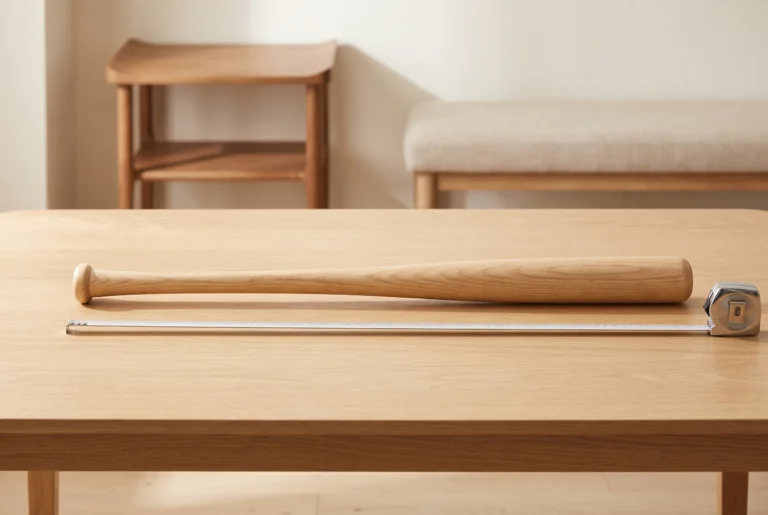
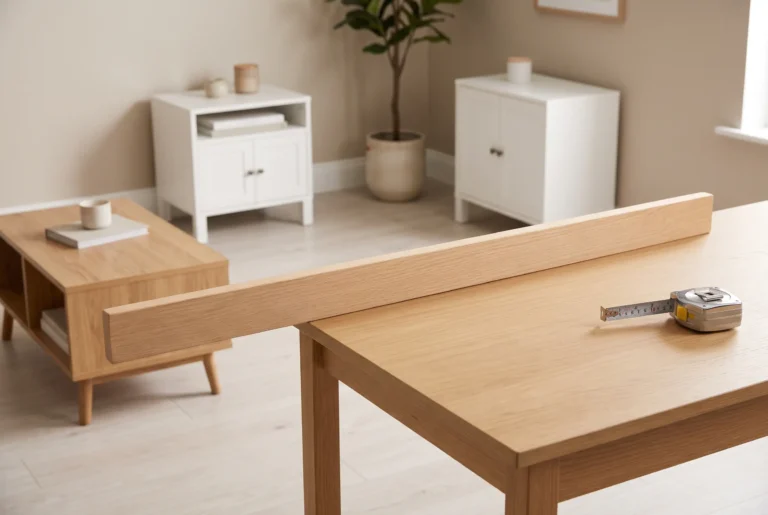
100 inches is exactly 8 feet 4 inches, 254 centimeters, or 2.54 meters. To picture that length, imagine an 8-foot dining table with another 4 inches added, a large sectional sofa, or a long pickup truck bed. These are useful references for understanding how big 100 inches really is.
From furniture and household fixtures to recreational equipment and building materials, there are plenty of objects that measure approximately 100 inches. The examples below explain their typical dimensions, how close they come to the target measurement, and how to use them when planning a space. For more practical measurement guides, visit Snap Planets.
Key Takeaways
- 100 inches equals exactly 8 feet 4 inches, 254 centimeters, 2,540 millimeters, or 2.54 meters.
- Large sofas, dining tables, entertainment consoles, and curtain rods can measure approximately 100 inches across.
- An 8-foot board or sheet of drywall measures 96 inches, making it just 4 inches shorter than 100 inches.
- 100 inches is 20 inches taller than a typical 80-inch interior door and 4 inches longer than an 8-foot measurement.
- For furniture, storage, or home improvement projects, use everyday objects for estimates but verify actual dimensions with a measuring tape.
How Long Is 100 Inches? Exact Conversions and Size Comparisons
100 inches is a little over 8 feet long. It is a substantial distance indoors, comparable to the length of a generously sized sofa or the width of a large dining table. In height, it extends 4 inches beyond an 8-foot ceiling.
Because there are 12 inches in a foot, dividing 100 by 12 gives 8 whole feet and 4 remaining inches. In the metric system, multiplying by 2.54 gives exactly 254 centimeters.
| Measurement Unit | Equivalent of 100 Inches |
|---|---|
| Feet and inches | 8 feet 4 inches |
| Decimal feet | 8.3333… feet |
| Yards | 2.7777… yards |
| Centimeters | 254 cm |
| Meters | 2.54 m |
| Millimeters | 2,540 mm |
| Fraction of a mile | Approximately 0.00158 mile |
What Does 100 Inches Look Like in Everyday Life?
A useful starting point is an 8-foot measuring reference, such as a standard 96-inch construction board. Add 4 inches to its length and you have exactly 100 inches.
For another comparison, a standard queen-size mattress is 80 inches long. Extend that length by 20 inches, or 1 foot 8 inches, and you reach 100 inches.
It is also helpful to compare 100 inches with typical architectural features. An 80-inch interior door is 20 inches shorter, while an 8-foot ceiling is 4 inches lower. These differences make the measurement easier to imagine without calculating decimal feet.
20 Common Things That Are About 100 Inches Long
The following examples include objects that are available in 100-inch sizes, objects that commonly fall near that length, and familiar 96-inch items that provide a close comparison. Individual products vary, so these are visual references rather than guarantees of exact dimensions.
1. Large Three-Seater Sofa
A spacious three-seater sofa can be approximately 100 inches wide from one outside arm to the other. Larger living-room sofas often fall around 90 to 105 inches, depending on the design, cushion arrangement, and armrest thickness.
At 100 inches, the sofa measures 8 feet 4 inches across and can become the central piece of furniture in a generously sized living room. This is a useful reference when comparing furniture layouts or deciding how much wall space a couch will occupy.
Check the overall exterior width rather than the seating width. Wide arms can make a substantial difference to the space a sofa requires.
2. Eight-Person Rectangular Dining Table
Some large rectangular dining tables measure 96 to 102 inches long, putting them very close to 100 inches. Tables in this range can often accommodate eight diners, although seating capacity depends on the chair widths, table legs, and arrangement.
A 100-inch table offers a little more than 8 feet of tabletop length, making it suitable for spacious dining rooms. If four people sit along each long side, 100 inches provides an average of 25 inches of length per place before accounting for table supports and end clearance.
Remember that the table length alone does not determine whether it fits. Allow additional floor space so diners can pull out chairs and walk around them.
3. Large Sectional Sofa
The shorter side or main horizontal section of a sectional couch may measure around 100 inches. Modular sectionals are especially useful examples because their configurations can create a wide variety of overall dimensions.
A sectional with a 100-inch side occupies more than 8 feet of wall or floor space in that direction. This makes it a good mental reference for furniture delivery, room planning, and determining whether a large couch will block a doorway or walking path.
Measurements should include projecting chaise sections, armrests, and any corner pieces.
4. Extra-Wide Entertainment Console
Large media consoles and television cabinets are sometimes designed with widths approaching or reaching 100 inches. These pieces provide storage across a long wall and can complement oversized televisions or home theater arrangements.
Unlike compact TV stands, which may measure only a few feet across, a 100-inch cabinet spans 8 feet 4 inches. It requires a fairly wide wall and enough room for electrical outlets, cables, and ventilation.
When choosing one, compare its width with both the television and the wall rather than assuming that a television’s diagonal screen measurement describes its actual horizontal width.
5. Extended Curtain Rod
Adjustable curtain rods are sold in overlapping size ranges, including ranges that can accommodate a 100-inch installation. An extendable rod rated for a span such as 66 to 120 inches can be adjusted to approximately 100 inches.
This is particularly useful for wide windows, combined window arrangements, and patio doors. However, the rod usually needs to extend beyond the window opening so that curtains can stack to the sides.
Longer installations may require a center support bracket, depending on the rod’s material, diameter, load rating, and manufacturer instructions.
6. Long Window Bench or Built-In Seat
Custom window benches and built-in banquettes can be designed to measure exactly 100 inches long. This is especially practical for a wide bay window, breakfast nook, or wall-length seating area.
At 8 feet 4 inches, the bench may provide seating for several people, depending on how much space each person needs. Storage drawers or cabinets can also be built underneath the seat.
Unlike factory-made furniture, a custom bench can be cut to a precise measurement, making it a useful example when exact dimensions are required.
7. Wide Area Rug
Some large area rugs have a side measuring approximately 100 inches, although standard labeled sizes often differ. For example, an 8-foot-wide rug is nominally 96 inches across, just 4 inches less than 100 inches.
A rug around this width can help define a seating area containing a sofa and coffee table. The rug’s other dimension and the positioning of furniture determine whether the arrangement feels balanced.
Retail rug dimensions may be nominal or approximate, so check the actual listed measurements before planning a close fit.
8. Custom Bookshelf or Wall Cabinet
A floor-to-ceiling bookshelf or tall storage cabinet can be designed to stand 100 inches high. This dimension is particularly relevant in rooms with ceilings higher than 8 feet.
Since 100 inches is 4 inches taller than an 8-foot ceiling, a cabinet of this height cannot stand upright in a room with only 96 inches of ceiling clearance.
Even where the ceiling is sufficiently high, tall furniture may require additional clearance during assembly and safe anchoring to prevent tipping.
9. Full-Size Pickup Truck Long Bed
Some full-size pickup trucks have long cargo beds measuring approximately 8 feet internally. An 8-foot bed is 96 inches long, making it only 4 inches shorter than 100 inches.
Exact bed dimensions vary by manufacturer, model, model year, and where the measurement is taken. The distance between the front bed wall and a closed tailgate may differ from an advertised nominal bed length.
For transporting an item that is exactly 100 inches long, check the usable bed length, tailgate position, load support, and applicable cargo-securement requirements.
10. Long Roof Cargo Rack or Platform
Extended roof rack platforms used on some vans, utility vehicles, and off-road builds can approach 100 inches in length. These are larger than the compact crossbar systems commonly used for bicycles or rooftop boxes.
A platform of this size extends over a substantial portion of a vehicle roof and can support compatible cargo accessories when installed correctly.
The platform’s usable loading area, vehicle roof rating, rack rating, and overall vehicle clearance are more important than its length alone.
11. Eight-Foot Pool Table
An 8-foot pool table is a familiar example of equipment close to 100 inches long. The playing surface of a typical American 8-foot table is approximately 88 inches long, while its overall exterior length is larger because of the rails and cabinet.
Many residential models have outside lengths close to 100 inches, although some are longer. The exact cabinet dimensions depend on the manufacturer and design.
When planning a billiards room, leave room for cue movement on every side. A table that fits physically may still be uncomfortable to play on if it is too close to surrounding walls.
12. Compact Recreational Kayak
Short recreational kayaks can have hull lengths near 100 inches. An 8-foot kayak measures 96 inches, while an 8-foot-6-inch kayak measures 102 inches, placing both close to the target length.
These shorter kayaks are often chosen for casual use and situations where convenient storage and handling are priorities. Tracking, stability, load capacity, and intended water conditions vary by hull design.
The important measurement is the kayak’s actual end-to-end length, especially when checking garage storage or transportation space.
13. Large Stand-Up Paddleboard
Although many general-purpose stand-up paddleboards are longer than 100 inches, shorter boards can approach this measurement. For example, an 8-foot-4-inch board is exactly 100 inches long.
Boards of this length may be intended for smaller paddlers, children, surfing applications, or specialized use rather than general-purpose adult touring.
Length alone does not indicate suitability. Board width, thickness, volume, weight capacity, and intended use all influence performance.
14. Modular Gymnastics Practice Beam
Practice balance beams are sold in a range of lengths, including 8-foot sections and modular systems. An 8-foot training beam is 96 inches long, providing a very close comparison to 100 inches.
Shorter practice beams are particularly useful in recreational training environments because they occupy less floor space than full competition beams.
For context, the competition balance beam used in artistic gymnastics is 5 meters long, substantially longer than 100 inches. Practice equipment should not be confused with the dimensions of a competition apparatus.
15. Eight-Foot Workshop Workbench
Large workbenches are available in 96-inch lengths, just 4 inches shorter than 100 inches. Custom commercial worktables may also be specified at or near 100 inches.
A bench approximately this long provides space for arranging tools, materials, clamps, and ongoing projects. It can be practical for woodworking, mechanical repairs, and general workshop tasks.
Before buying, consider the bench’s depth, load rating, working height, and the clearance needed to move around it.
16. Heavy-Duty Warehouse Shelving Bay
Some commercial shelving systems and storage racks use horizontal beams that approach 100 inches. An example is a 96-inch-long rack beam, which is 4 inches shorter than the target.
Industrial racking systems come in many standardized and custom configurations. Beam length does not necessarily equal the overall installed width because upright frames and connectors add to the dimensions.
If using a rack for storage planning, verify the manufacturer’s installed dimensions and rated capacity rather than estimating from the beam length.
17. Standard Eight-Foot Drywall Sheet
A standard 4-by-8-foot drywall panel measures 48 inches wide and 96 inches long. It is exactly 4 inches shorter than 100 inches, making it one of the most dependable near-matches found in construction.
If you place a 4-inch measuring block at the end of the panel, the combined length equals 100 inches.
Drywall sheets are also available in longer nominal lengths, so the 8-foot version is useful for visualizing this measurement but does not represent every panel sold.
18. Eight-Foot Privacy Fence Panel
Many residential fence systems use nominal 8-foot spacing or panel widths, corresponding to approximately 96 inches. That is just 4 inches short of 100 inches.
The actual panel width may be smaller than the distance between post centers to allow for posts and installation hardware.
For a fence run that requires an exact 100-inch section, the material may need custom cutting or a layout adjustment. Measure between the relevant installation points rather than relying only on the nominal product label.
19. Wide Sliding Patio Door Assembly
Large sliding patio doors can be manufactured in widths around 100 inches, although common nominal sizes include 72 inches, 96 inches, and 120 inches.
A nominal 8-foot-wide door is 96 inches, making it 4 inches narrower than 100 inches. A custom-sized patio door can potentially be specified closer to the exact target.
Keep in mind that the overall frame width is not the same as the clear walking opening. The fixed panel, moving panel, and frame affect the usable passage width.
20. Custom Window or Wall-Mounted Shelf
A continuous shelf can be cut to exactly 100 inches, whether used above a desk, in a laundry room, or across a recessed wall. Unlike most mass-produced objects, custom shelving offers a straightforward way to achieve a precise finished length.
At more than 8 feet long, the shelf needs appropriately spaced supports and secure attachment suitable for the wall construction and intended load.
A long shelf is an especially useful visual reference because it creates a clear horizontal line that can be compared with nearby furniture, doorways, and wall dimensions.
Quick Comparison of Objects Near 100 Inches
Some objects are genuinely available at 100 inches, while others are reliable comparisons because their standard dimensions are only a few inches away. This distinction matters if you need a measurement for a purchase or installation.
| Object | Approximate Length or Width | Measurement Note |
|---|---|---|
| Large sofa | 90 to 105 inches | 100-inch models are possible |
| Large dining table | 96 to 102 inches | Depends on model and extension leaves |
| Adjustable curtain rod | 100 inches when adjusted | Must be within its rated extension range |
| Eight-foot pool table | Around 100 inches externally | Varies by cabinet and rails |
| Short recreational kayak | 96 to 102 inches | Depends on specific hull |
| Workshop bench | 96 inches or custom length | Standard near-match |
| Drywall sheet | 96 inches | Standard 4-by-8-foot panel |
| Fence section | 96 inches nominally | Actual dimensions vary |
| Eight-foot patio door | 96 inches nominally | Frame and opening dimensions differ |
| Custom shelf | 100 inches | Can be cut to exact length |
For estimation purposes, the 96-inch examples are particularly convenient: 100 inches is only 4.17% longer than 96 inches. That difference is small when visualizing a space, but it can be important when fitting furniture or building materials into a fixed opening.
How to Measure 100 Inches Without a Measuring Tape
You can estimate 100 inches using objects with known dimensions. Some combinations produce an exact result, while others are useful only for approximate measurements.
Method 1: Use Eight 12-Inch Rulers and Another 4 Inches
A standard ruler is 12 inches long. Laying eight rulers end to end gives 96 inches. Add another 4 inches to reach exactly 100 inches.
If you have only one ruler, mark successive 12-inch sections with a pencil or removable tape. Avoid leaving spaces between marks or overlapping the sections.
Method 2: Combine a Yardstick With Other Measurements
A yardstick measures exactly 36 inches. Two yardstick lengths make 72 inches, and adding 28 inches produces 100 inches.
You can measure the remaining 28 inches using two 12-inch ruler lengths and one 4-inch section. This is a convenient method when you have basic classroom or workshop measuring tools.
Method 3: Use an Eight-Foot Board and Add 4 Inches
A board that is confirmed to measure exactly 8 feet long provides 96 inches. Adding a 4-inch section brings the total to 100 inches.
Be careful with nominal lumber dimensions. An item sold as an 8-foot board may have a different actual length if it has been cut, trimmed, or manufactured to a special specification.
Method 4: Compare With a Queen-Size Mattress
A standard U.S. queen mattress measures 60 inches wide and 80 inches long. Add 20 inches to the mattress length to visualize 100 inches.
This comparison is especially useful when thinking about bedroom layouts or large pieces of furniture. It is less suitable for precision work because mattresses may have small manufacturing tolerances or rounded edges.
Method 5: Estimate Using Your Walking Steps
Walking steps can provide a rough estimate when no tools are available. If your average step length is 25 inches, four steps cover approximately 100 inches.
However, step length varies with height, walking speed, and terrain. To improve accuracy, measure your normal step length first and then use that personal reference for future estimates.
How Much Space Does a 100-Inch Object Need?
An object that measures 100 inches long does not necessarily fit comfortably inside a space that is exactly 100 inches long. Installation clearance, movement, surrounding furniture, and access all influence how much room you actually need.
Living Room Furniture
A 100-inch sofa occupies 8 feet 4 inches of horizontal space. A wall measuring 10 feet, or 120 inches, leaves 20 inches of total extra width when the couch is centered.
That means approximately 10 inches of clearance on either side. This may be enough for a simple arrangement, but not necessarily for side tables, floor lamps, or additional furniture.
Before ordering, mark the sofa’s length and depth on the floor using painter’s tape. This helps you judge both its footprint and the walking space around it.
Dining Room Tables
A 100-inch dining table requires more floor space than its tabletop measurements suggest. Chairs must be pulled back, and people need room to move around the seating area.
As a practical planning guideline, approximately 36 inches of clearance beyond the table edge can provide room for chair movement, although more space may be preferable where people regularly walk behind seated diners.
With 36 inches of clearance at each end, a 100-inch-long table would need 172 inches of total room length, or 14 feet 4 inches. This calculation addresses the table’s lengthwise clearance only.
Doorways and Furniture Delivery
A large object may fit inside a room but still be difficult to move through hallways, staircases, or entrances.
For a 100-inch cabinet, sofa, or tabletop, confirm the object’s width, depth, height, and diagonal dimensions. Consider packaging, removable legs, turning space, and the path from the delivery vehicle to the final location.
Never assume that an item will fit simply because the destination room is longer than 100 inches.
Ceiling Height and Vertical Installations
A vertical object measuring 100 inches is taller than a typical 8-foot ceiling by 4 inches.
That makes 100-inch bookcases, display units, and wall panels unsuitable for upright installation beneath a ceiling that is exactly 96 inches high. The object may also require extra ceiling clearance when being raised from a horizontal position.
Measure the lowest overhead obstruction, including beams, soffits, and ceiling fixtures, before planning the installation.
100 Inches Compared With Other Common Lengths
Comparing 100 inches with familiar measurements is one of the simplest ways to develop a practical sense of scale.
| Reference Measurement | Length in Inches | Difference From 100 Inches |
|---|---|---|
| Three feet | 36 | 64 inches shorter |
| Five feet | 60 | 40 inches shorter |
| Six feet | 72 | 28 inches shorter |
| Standard interior door height | 80 | 20 inches shorter |
| Eight feet | 96 | 4 inches shorter |
| 100 inches | 100 | Exact target |
| Nine feet | 108 | 8 inches longer |
| Ten feet | 120 | 20 inches longer |
These comparisons show that 100 inches is much closer to 8 feet than to 9 feet. Although 8.33 feet is the correct rounded decimal conversion, expressing the length as 8 feet 4 inches is usually more intuitive for everyday measurements.
Common Mistakes When Estimating 100 Inches
Several measurement mistakes can cause unnecessary problems when buying furniture, planning renovations, or comparing product dimensions.
- Confusing nominal and actual dimensions: A product described as 8 feet long may not measure exactly 96 inches after manufacturing or installation.
- Mixing up length, width, and height: A 100-inch width is not interchangeable with a 100-inch height, especially for cabinets, doorways, or large furniture.
- Forgetting about external dimensions: A pool table’s playing surface is smaller than its total cabinet footprint, and a sofa’s seating area is narrower than its overall width.
- Ignoring installation clearance: A 100-inch object may need extra space for brackets, attachments, ventilation, doors, drawers, or human movement.
- Relying on an approximate comparison for precision work: A 96-inch panel is close to 100 inches but still differs by 4 inches, which can be critical during installation.
- Converting decimal feet incorrectly: The decimal portion of 8.33 feet is not 33 inches. The correct feet-and-inches expression is 8 feet 4 inches.
Practical Uses for Knowing the Length of 100 Inches
Understanding this measurement can save time in situations where a quick size comparison is useful.
Furniture Shopping
When browsing sofas, dining tables, or storage cabinets, knowing that 100 inches is just over 8 feet helps you filter out pieces that are too large for a room.
It also makes online product dimensions easier to understand without constantly converting inches to feet.
Home Renovation
For shelves, wall panels, window coverings, and custom carpentry, the difference between 96 and 100 inches matters. Knowing the conversion helps you estimate materials before taking precise measurements.
It is also useful when comparing metric products with measurements listed in U.S. customary units.
Transporting Oversized Items
A 100-inch item is longer than the interior cargo area of many passenger vehicles. It may require a suitable truck, trailer, roof transport system, or delivery service depending on its other dimensions.
Always verify available loading space, legal overhang requirements, and proper cargo securement before transporting a long object.
Planning Recreation Spaces
Pool tables, practice beams, and exercise equipment may be approximately 100 inches long, but their usable space requirements are often significantly larger.
Understanding their approximate length provides an initial estimate. Manufacturer instructions and activity-specific clearance requirements should determine the final layout.
How to Convert 100 Inches Into Other Units
You can convert inches to other units using a few basic formulas. These calculations are useful when product dimensions, building plans, or online listings use different measurement systems.
- Inches to feet: Divide by 12. Therefore, 100 ÷ 12 = approximately 8.33 feet, or exactly 8 feet 4 inches.
- Inches to yards: Divide by 36. Therefore, 100 ÷ 36 = approximately 2.78 yards.
- Inches to centimeters: Multiply by 2.54. Therefore, 100 × 2.54 = exactly 254 centimeters.
- Inches to millimeters: Multiply by 25.4. Therefore, 100 × 25.4 = exactly 2,540 millimeters.
- Inches to meters: Multiply by 0.0254. Therefore, 100 × 0.0254 = exactly 2.54 meters.
For home improvement projects, feet and inches are typically convenient in the United States. Centimeters and meters are useful when working with international specifications, metric tools, or imported products.
Choosing the Best Real-Life Reference for 100 Inches
100 inches equals exactly 8 feet 4 inches, making it comparable to a large three-seater sofa, a spacious dining table, the exterior length of some pool tables, or an adjustable curtain rod extended to that size. For a particularly simple comparison, think of any confirmed 8-foot object and add 4 inches.
These everyday examples are useful for visualizing furniture dimensions, comparing building materials, and estimating whether something will fit into a room. However, products described as approximately 100 inches can vary considerably by design and manufacturer.
For accurate purchasing, construction, or installation decisions, always measure the actual object and available space. Visual comparisons are excellent for understanding scale, but they cannot replace precise measurements when every inch matters.
Frequently Asked Questions
How long is 100 inches in feet and inches?
100 inches is exactly 8 feet 4 inches. In decimal form, it equals approximately 8.33 feet.
What common household item measures 100 inches long?
A large sofa, dining table, or extended curtain rod can measure approximately 100 inches. Dimensions vary by product, so check the manufacturer’s listed size if you need an exact match.
Is 100 inches the same as 8 feet?
No, 8 feet equals 96 inches. A measurement of 100 inches is 4 inches longer than 8 feet.
How many centimeters is 100 inches?
100 inches equals exactly 254 centimeters. This conversion uses the defined relationship of 2.54 centimeters per inch.
Is 100 inches taller than a standard door?
Yes, a typical U.S. interior door slab is 80 inches high, while 100 inches is 20 inches taller. Taller residential doors are also available, so dimensions can differ between homes.
Can a 100-inch sofa fit in a 10-foot room?
A 10-foot wall measures 120 inches, so a 100-inch sofa leaves 20 inches of total lengthwise space. Whether it fits comfortably depends on the sofa’s depth, the room layout, and the clearance required around it.
How many yards are in 100 inches?
100 inches equals approximately 2.78 yards. The exact value is 25/9 yards because one yard contains 36 inches.
Can you measure 100 inches accurately without a tape measure?
Yes, you can use a standard 12-inch ruler repeatedly, measuring eight full ruler lengths and an additional 4 inches. Keep the ruler aligned and mark each endpoint carefully to reduce measurement errors.